
Why Kitchen Lighting Matters
Lighting directly affects how comfortable and efficient a kitchen feels. Inadequate lighting can create shadows on countertops, reduce visibility around cooking areas, and make the room appear outdated or confined. Well-designed lighting enhances visibility while improving the overall mood and architectural appearance of the space.
Modern kitchen lighting improvements provide several important benefits:
- Improved visibility for cooking and food preparation
- Enhanced ambiance for entertaining
- Better energy efficiency
- Increased property value
- Improved safety around work areas
- Highlighting of design features and finishes
A professionally installed lighting system ensures every part of the kitchen receives appropriate illumination while supporting both functionality and aesthetics.
Understanding the Different Types of Kitchen Lighting
Ambient Lighting
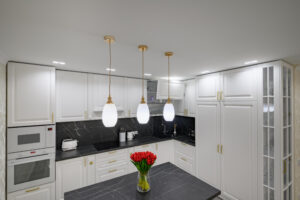
Ambient lighting provides overall illumination for the kitchen. This foundational layer of lighting ensures the room feels evenly lit and comfortable for everyday use. Ceiling-mounted fixtures, recessed lighting, and flush-mount systems are commonly used to create consistent brightness throughout the space.
Many modern kitchens rely on LED recessed lighting because it offers clean aesthetics, long lifespan, and energy efficiency while distributing light evenly across the room.
Task Lighting
Task lighting focuses directly on areas where detailed activities occur, such as countertops, sinks, islands, and cooking surfaces. Proper task lighting improves visibility and reduces eye strain during food preparation.
Popular task lighting solutions include:
- Under-cabinet LED lighting
- Pendant lights above islands
- Directional recessed fixtures
- Adjustable track lighting
- Focused sink lighting
Homeowners often work with a professional kitchen light installation contractor to strategically position lighting for maximum functionality without creating glare or uneven shadows.
Accent Lighting
Accent lighting adds decorative depth and visual interest to the kitchen. It highlights architectural details, open shelving, glass-front cabinetry, decorative backsplashes, or artwork.
LED strip lighting, toe-kick illumination, and cabinet interior lighting are increasingly popular options that add sophistication while improving nighttime visibility.
Popular Kitchen Lighting Trends
Recessed Lighting Systems
Recessed lighting remains one of the most popular choices in modern kitchen remodeling. These fixtures create a clean and streamlined appearance while delivering broad, even illumination throughout the room.
A professional kitchen recessed lighting installer can determine proper fixture spacing and placement based on ceiling height, room dimensions, and kitchen layout to avoid dark spots or excessive brightness.
Pendant Lighting Over Islands
Pendant lights serve both decorative and functional purposes. Installed above kitchen islands or dining areas, they create focal points while providing targeted task lighting for seating and food preparation spaces.
Homeowners can select from a wide range of styles including industrial, modern farmhouse, contemporary glass, or minimalist metal fixtures to complement the overall kitchen design.
Smart Lighting Technology
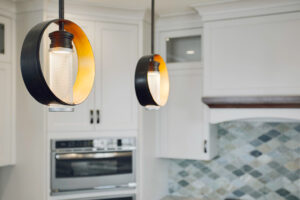
Smart kitchen lighting systems have become increasingly popular because they allow homeowners to control brightness, color temperature, and scheduling through mobile devices or voice assistants.
Smart systems may include:
- Dimmable LED fixtures
- Motion-activated lighting
- Programmable lighting scenes
- Voice-controlled operation
- Energy monitoring capabilities
These features improve convenience while helping homeowners reduce unnecessary energy consumption.
Energy Efficiency Benefits
Modern kitchen lighting systems are designed to maximize energy efficiency without sacrificing brightness or design quality. LED technology has revolutionized residential lighting by providing longer lifespan, reduced energy use, and lower maintenance requirements compared to traditional incandescent or fluorescent fixtures.
Benefits of LED kitchen lighting include:
- Lower electricity consumption
- Reduced heat generation
- Longer fixture lifespan
- Minimal maintenance needs
- Improved brightness consistency
These advantages make LED systems one of the most cost-effective long-term investments for kitchen renovations.
Planning a Kitchen Lighting Layout
Successful lighting design requires careful planning to ensure the kitchen feels balanced, functional, and visually cohesive. Lighting professionals evaluate several important factors before installation begins.
Kitchen Size and Layout
The size and configuration of the kitchen influence fixture placement, brightness levels, and lighting layers. Open-concept kitchens may require different lighting strategies compared to smaller enclosed spaces.
Natural Light Availability
Kitchens with large windows or skylights may require less daytime artificial lighting, while darker kitchens often need additional ambient illumination to maintain consistent brightness.
Cabinet and Ceiling Design
Cabinet height, ceiling structure, soffits, and architectural details all affect lighting placement and fixture selection. Proper coordination ensures lighting integrates seamlessly into the overall design.
The Importance of Professional Installation
Kitchen lighting systems involve electrical wiring, load calculations, switch configurations, and fixture placement that require professional expertise. Improper installation can create safety hazards, uneven illumination, or overloaded electrical circuits.
Professional installers understand local electrical codes, proper wiring methods, and optimal lighting layouts that support both safety and long-term performance. They also ensure compatibility with dimmer systems, smart controls, and energy-efficient technologies.
Long-Term Advantages of Modern Kitchen Lighting
Upgraded kitchen lighting improves much more than appearance alone. Homeowners benefit from better visibility, enhanced comfort, improved safety, and increased enjoyment of the space. Well-designed lighting also contributes to higher property value by making the kitchen feel larger, brighter, and more modern.
Whether homeowners are completing a full kitchen remodel or simply updating outdated fixtures, investing in professional kitchen lighting installation helps create a highly functional and visually appealing environment tailored to modern living.
With thoughtful lighting design and quality installation, kitchens become more inviting spaces that support cooking, entertaining, and everyday family life for years to come.